Top Tips for Planning an Unforgettable Trip to Zermatt
Updated: Aug 17
Planning a trip to Zermatt comes with plenty of exciting choices. You need to think about the best time to visit, where to stay, how many days to allow, which lift pass makes sense, and which mountain experiences are worth booking ahead.
Set beneath the Matterhorn, Zermatt offers skiing, hiking, glacier viewpoints, mountain restaurants, Swiss culture, and a car-free village that feels unlike most Alpine resorts. This guide shares practical tips to help you plan your Zermatt holiday with less guesswork and make better use of your time once you arrive.

Making the Most of Your Zermatt Holidays
The first step in planning a Zermatt holiday is choosing the right time to visit. Winter is ideal for skiing, snowboarding, winter hiking, and mountain dining, while summer is better suited to hiking, biking, glacier visits, and longer days outdoors.
Booking accommodation early is especially important during busy ski weeks, Christmas and New Year, and peak summer periods. Location also matters. Staying close to the village centre can make restaurants and transport easier to reach, while quieter areas may suit guests who prefer more privacy or convenient access to certain lifts.
Popular Attractions to Include in Your Itinerary
Zermatt has several major attractions, but the best itinerary depends on the weather, the amount of time available, and how comfortable everyone is at altitude. For first-time visitors, these three are among the most worthwhile places to plan around.
1. Gornergrat Railway
The Gornergrat Railway climbs from Zermatt to around 3,100 metres in roughly 35 minutes, with no need to change trains. At the top, visitors can see the Matterhorn, the Gorner Glacier, and 28 peaks above 4,000 metres on a clear day.
The journey itself is part of the experience, with several intermediate stops along the route. This makes it possible to combine the viewpoint with a walk or a longer day in the mountains rather than travelling straight up and down.
Planning tip: Check the mountain forecast and webcams before setting off. Low clouds can completely change the experience, so clear mornings are often worth prioritising. Timetables also vary by season.
2. Matterhorn Museum
The Matterhorn Museum is a good choice for anyone interested in how Zermatt developed from a traditional Alpine village into an internationally known mountain destination. Its exhibitions explore local life, mountaineering history, and the story of the Matterhorn.
It also works well as a shorter afternoon activity or a poor-weather option, which makes it useful to keep in reserve rather than forcing every day to revolve around the mountains.
Planning tip: This is one of the easier attractions to combine with lunch, shopping, or a walk through the village.
3. Matterhorn Glacier Paradise
Matterhorn Glacier Paradise sits at 3,883 metres and is home to Europe's highest mountain station. On a clear day, the viewing platform offers a panorama of 38 peaks above 4,000 metres and 14 glaciers across three countries. The experience also includes the Glacier Palace, where visitors can walk through tunnels and chambers carved into the ice.
Because of the altitude, it is worth allowing enough time and avoiding an overly rushed schedule. Some visitors may feel the effects of the thinner air more than others.
Planning tip: Bring warm layers even in summer. Conditions at 3,883 metres can feel completely different from the weather in Zermatt village.
A common mistake is trying to fit Gornergrat and Matterhorn Glacier Paradise into the same day without considering travel time, altitude, and weather. It can be done, and there is even a Peak2Peak ticket connecting both experiences, but many visitors will enjoy them more by giving each one enough time.
How to Get Around Zermatt
Zermatt is car-free, which means private vehicles can only travel as far as Täsch. From there, visitors continue to Zermatt by train, taxi, or limousine service. The shuttle journey from the Matterhorn Terminal in Täsch takes about 12 minutes.
Once in the village, most journeys are made on foot, by electric taxi, local transport, or the mountain lift network.
Walking Around the Village

Central Zermatt is compact enough for many restaurants, shops, hotels, and lift stations to be reached on foot. Walking is often the easiest option, although distances can feel longer with ski equipment, luggage, young children, or after a full day on the mountain.
The exact location of the accommodation can make a noticeable difference. A hotel near the train station may be convenient for arrivals, while accommodation closer to a particular lift can make ski mornings much easier.
Electric Taxis
Electric taxis operate within car-free Zermatt and are useful for luggage transfers, early starts, evening restaurant bookings, or journeys that would otherwise involve a longer walk. Some operators offer 24-hour service throughout the year. During busy periods, it is sensible to book ahead when timing matters.
Lifts and Mountain Railways
The mountain transport system connects Zermatt with major areas such as Gornergrat, Sunnegga, Rothorn, Furi, and Matterhorn Glacier Paradise. The right ticket depends on the season, planned activities, and how many days will actually be spent using the lifts.
There is no single pass that automatically makes sense for every visitor. Someone skiing every day will have different needs from a non-skier planning two sightseeing excursions. Checking the planned itinerary before buying a pass can help avoid paying for transport that will not be used.
Local tip: Plan mountain days around geography. Grouping activities in the same area can reduce unnecessary travel between lift systems and leave more time for skiing, walking, lunch, or sightseeing.
Local Cuisine You Must Try
Food is a big part of the Zermatt experience, especially after a day on the mountain. The village has everything from traditional Swiss dishes to refined mountain restaurants, and some of the best meals are worth planning around rather than leaving to chance.

Raclette
Raclette is one of the most traditional dishes to try in the region. Melted cheese is usually served with potatoes, pickles, and onions, making it a comforting choice after skiing or hiking.
Fondue
Fondue is another classic, usually shared around the table and best enjoyed at a relaxed pace. It works especially well for groups, families, and colder evenings.
Rösti
Rösti is a crisp potato dish that can be served on its own or alongside meat, eggs, cheese, or other toppings. It is a good example of simple Swiss comfort food and appears on many menus around Zermatt.
Plan Restaurant Bookings Around Your Day
Popular restaurants, especially mountain restaurants and well-known dinner spots, can fill up quickly during busy periods. Booking ahead is a good idea for long lunches, special dinners, and peak ski weeks.
It also helps to think about location. A mountain restaurant that fits naturally into the ski or hiking route can make the day feel much smoother than crossing the resort just to reach a reservation.
Local tip: Avoid booking every lunch at a fixed time. On some days, weather, snow conditions, or the pace of the group may change the plan, so a little flexibility can be useful.
Preparing for Outdoor Activities
Zermatt is built around the mountains, so preparation matters. Conditions can change quickly, altitude can affect energy levels, and the right equipment can make a major difference to how enjoyable the day feels.
Skiing and Snowboarding

In winter, Zermatt offers a wide range of terrain for different ability levels. Snowboarding for beginners may prefer gentler learning areas, while stronger skiers can explore longer routes, higher terrain, and connections towards Cervinia.
The best choice of area can depend on snow conditions, visibility, confidence level, and how much time the group wants to spend on the mountain.
Planning tip: Ski lessons and private guides can book up during peak weeks, so it is worth arranging these early if they are an important part of the holiday.
Summer Hiking
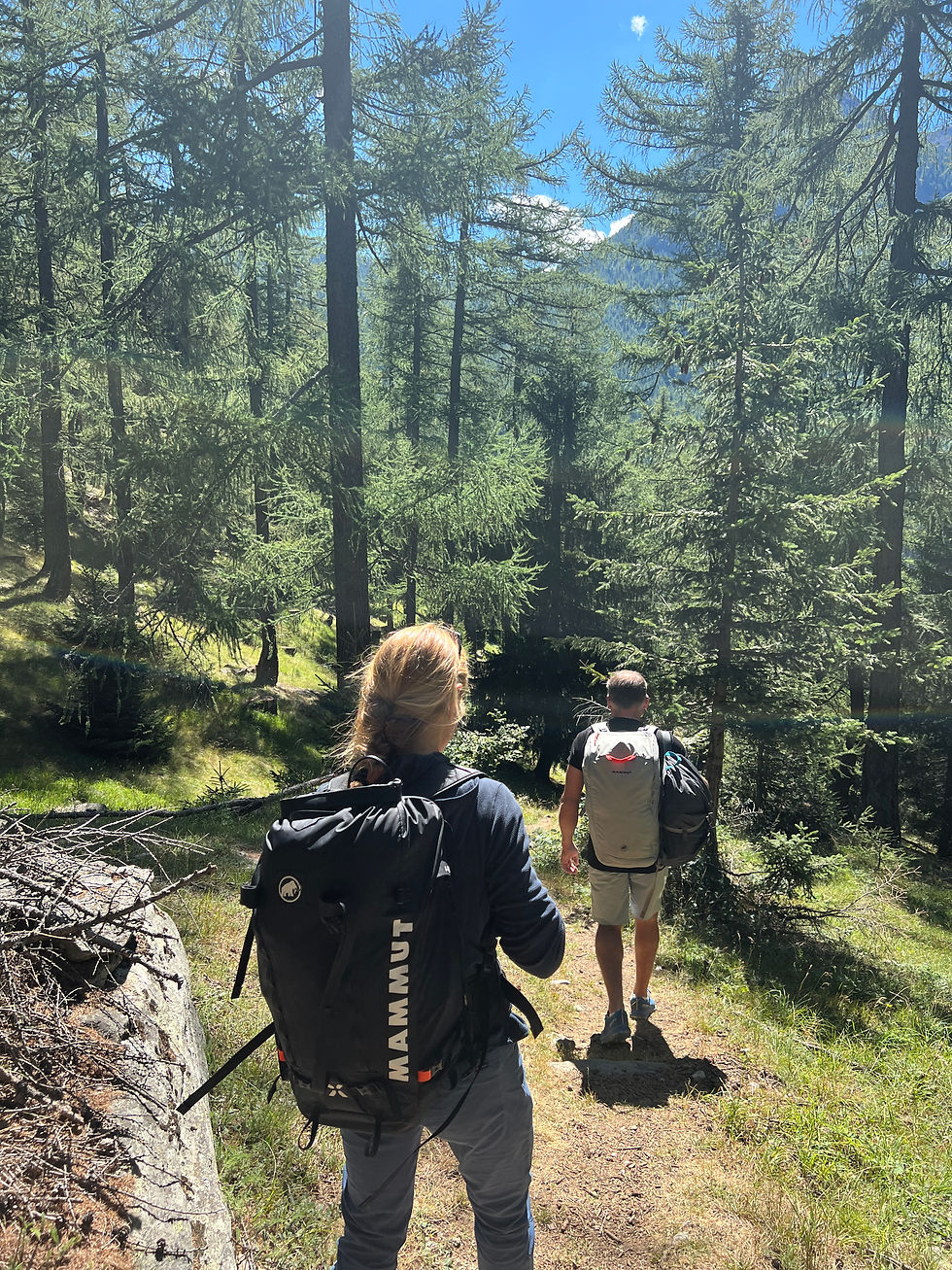
Summer opens up a large network of walking and hiking routes, including shorter scenic trails and more demanding high-altitude options. The Five Lakes Walk is one of the best-known routes, with several lakes and classic Matterhorn views.
Trail conditions, lift operations, and weather can all affect the day, so it is sensible to check before setting off.
Mountain Biking and E-Biking
Mountain biking and e-biking are good ways to cover more ground in summer. Electric bikes can make longer climbs more manageable, while stronger riders may prefer more technical trails.
Equipment can be rented in Zermatt, but availability may be limited during busy periods.
Check Conditions Before Heading Out
Mountain weather can change much faster than village weather, and higher areas can be colder, windier, or cloudier than expected. Checking forecasts, webcams, and lift status before heading out can help avoid wasted journeys.
Local tip: Do not plan every active day at the same intensity. A long ski day, a demanding hike, or time at altitude can be tiring, so alternating harder days with easier ones often works better for longer stays.
How Many Days Do You Need in Zermatt?
The right length of stay depends on the season and how much of the mountain you want to experience, but three to five days gives most first-time visitors a comfortable amount of time.
A two-day visit can work for a quick introduction, especially if the weather is clear and the plan is focused. Three days gives more room for a major mountain excursion, village time, and one active day. Four or five days allows for a slower pace, more restaurant stops, and some flexibility if the weather changes.
For longer ski or summer holidays, the extra days make it easier to explore different mountain areas without rushing.
Planning tip: Avoid filling every day in advance. In Zermatt, weather and mountain conditions can affect plans, so leaving some flexibility usually leads to a better trip.
What Should You Book in Advance?
Some parts of a Zermatt holiday are easy to arrange after arrival, but others are worth securing early.
Accommodation is usually the first priority, especially during Christmas, New Year, school holidays, major ski weeks, and busy summer periods. Ski lessons, private guides, equipment hire, popular mountain restaurants, and special experiences can also have limited availability.
Dinner reservations matter too. Some of Zermatt’s most popular restaurants fill up well ahead, particularly on weekends and during peak season.
A good approach is to book the hardest-to-replace experiences first, then leave space around them for plans that can be adjusted more easily.
Common Mistakes to Avoid When Planning a Trip to Zermatt
One of the most common mistakes is trying to fit too much into one day. Mountain travel takes time, and altitude, weather, lift changes, and restaurant stops can all make a day longer than expected.
Another mistake is planning the itinerary without considering geography. Moving repeatedly between different lift systems can waste time that could be spent on the mountain.
It is also worth avoiding these common issues:
Leaving restaurant bookings too late during busy periods.
Choosing a lift pass before deciding how many mountain days are actually planned.
Underestimating the effect of altitude or long active days.
Ignoring poor-weather options.
Booking every day too tightly and leaving no room to adjust.
The best Zermatt itineraries usually have a clear plan, but enough breathing room to respond to the conditions and the pace of the group.
Plan Your Zermatt Holiday With Local Support
Planning a Zermatt trip can become complicated once accommodation, transfers, lift passes, guides, restaurants, equipment, and mountain activities all need to fit together.
The Mountain Company helps guests make sense of those details with local knowledge and practical support in resort. That can mean choosing the right experiences for the group, planning mountain days around current conditions, or helping the whole trip feel easier from arrival to departure.
Planning a summer or winter holiday in Zermatt? Get in touch with The Mountain Company and start building a trip that fits the way you want to experience the mountains.


