Guide to Skiing from Zermatt to Cervinia
There are not many ski days where breakfast is in Switzerland, lunch is in Italy, and the afternoon finishes beneath another face of the Matterhorn.
That is what makes skiing from Zermatt to Cervinia such a memorable part of a winter holiday.
The two resorts form part of the same international ski area, allowing skiers to cross the high alpine border and spend the day exploring the long, open pistes above Breuil-Cervinia before returning to Zermatt. With an international ski pass, the Italian side adds substantial terrain to the skiing available from Zermatt.
The skiing itself is not necessarily the difficult part.
What makes the day different is its scale. You are travelling across a large high-altitude ski area, relying on several lifts and a weather-sensitive connection to get home. Wind, poor visibility, queues or simply staying too long over lunch can turn an easy day into a complicated one.
Done properly, though, a Cervinia ski day is one of the best experiences in the Matterhorn Ski Paradise.
Here is how to plan it.
Can You Really Ski From Zermatt to Italy?
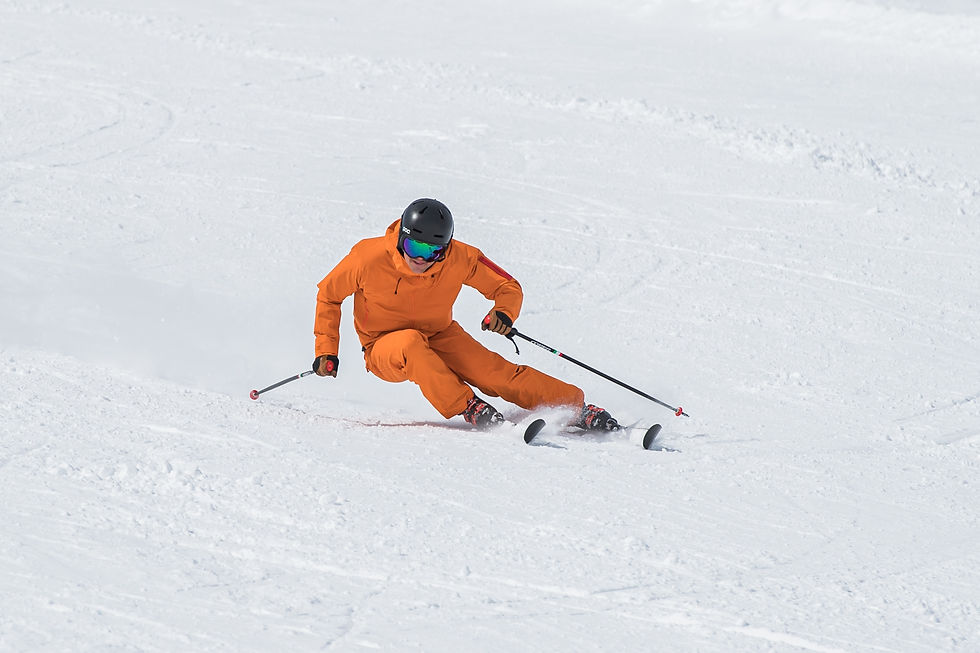
Yes. The Matterhorn Ski Paradise connects Zermatt in Switzerland with Breuil-Cervinia and Valtournenche in Italy.
From Zermatt, the journey heads towards the Matterhorn Glacier Paradise sector before crossing the high border around Testa Grigia and Plateau Rosà. From there, pistes and lifts lead down into the Cervinia ski area.
The Italian side feels noticeably different.
The terrain opens into long, broad pistes, the Matterhorn appears from another angle, and lunch suddenly means pasta, polenta and an Italian espresso rather than rösti and fondue.
The official international ski pass combines the Zermatt area with the Italian terrain of Breuil-Cervinia and Valtournenche.
It sounds simple on paper, but the mountain is large enough that the crossing deserves a little more planning than an ordinary day of resort skiing.
What Ski Pass Do You Need for Cervinia?
You need a Zermatt international ski pass if you plan to use the Italian lift network.
A standard Zermatt-only ski pass covers the Swiss sectors, while the international option extends access into Breuil-Cervinia and Valtournenche.
Check exactly what your ticket includes when buying it, especially if you are purchasing a short-duration or flexible pass. Lift products and operating arrangements can change between seasons.
If Cervinia is definitely part of your holiday plan, it is much easier to organise the correct pass before setting out than trying to solve the problem halfway across the mountain.
What Level Do You Need to Ski From Zermatt to Cervinia?
You do not need to be an expert skier, but the day is best suited to confident intermediates and above.
You should be comfortable skiing red pistes in control, managing changing snow conditions and staying on your feet for a relatively long mountain day. Our lists of guided “Ski to Italy” experiences at intermediate level.
The main challenge is endurance.
A skier might feel completely comfortable on each individual piste but still become tired after several hours of lifts, long descents and high-altitude skiing. When legs become tired, technique usually becomes less reliable too.
If someone in your group is still nervous on red runs, struggles with speed control, or needs frequent breaks, building confidence through private ski lessons before attempting the crossing can make the day far more enjoyable.
There is no need to rush the Italy day. Cervinia will still be there later in the holiday.
How to Ski From Zermatt to Cervinia
The exact combination of lifts and open pistes can vary with conditions, but the general Zermatt Cervinia ski route is easy.
1. Start Early in Zermatt

The first rule is simple: do not make Cervinia a late start. Head towards the Matterhorn Glacier Paradise side of the ski area in the morning and begin making your way up through Furi and Trockener Steg towards the high glacier sector.
An early departure gives you more time in Italy and, more importantly, a larger margin for the return.
This matters because lift operations on the international connection can be affected by high-altitude weather. The Italian operator also specifically warns guests to pay attention to last ascent times, and some lifts can close earlier when adverse weather is forecast.
Top tip: Cervinia is a day to leave breakfast on time for. An extra half-hour in the village is rarely worth losing an hour of flexibility later.
2. Head Up Towards Matterhorn Glacier Paradise
The journey climbs towards Matterhorn Glacier Paradise, one of the highest parts of the ski area.
This is where the environment starts to feel more alpine. The terrain is exposed, temperatures can be noticeably lower, and wind and clouds matter much more than they do down in Zermatt village.
From the high glacier sector, the international connection continues towards Testa Grigia and Plateau Rosà on the Italian border. The lift infrastructure now also forms part of the Matterhorn Alpine Crossing between Switzerland and Italy.
On a clear morning, the journey is spectacular.
In poor visibility, it can feel completely different.
That is why the forecast in Zermatt village should never be the only weather information you look at.
3. Cross Into Italy and Descend Towards Cervinia
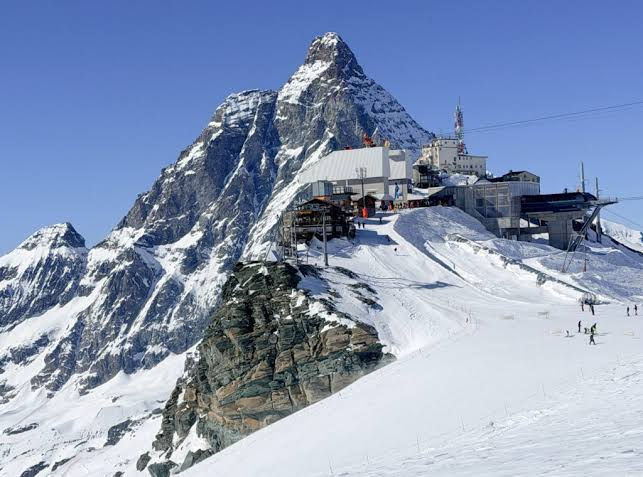
Once across the border, the skiing becomes distinctly Italian.
The high pistes lead down from the Plateau Rosà area towards Cime Bianche Laghi, Plan Maison and eventually Cervinia itself, depending on which runs you choose and what is open that day. These are key points on the Italian lift network linking Cervinia with the international crossing.
This is where the day starts to feel less like a normal ski circuit and more like a journey.
Long, open pistes make skiing in Cervinia particularly enjoyable for intermediates who like covering distance without constantly tackling steep terrain.
But do not automatically ski all the way to the bottom just because you can. Every metre you descend means another lift or connection required to get back towards Switzerland.
Plan the Return Before You Plan Lunch
This is probably the most important rule of Zermatt to Cervinia skiing. Work out how you are getting home before deciding how long you are staying in Italy.
Lift operating times vary according to date, season and conditions, and the international connection is particularly exposed to weather. The Cervinia lift operator publishes live lift status and timetables and warns that some services can close early in adverse conditions.
Do not rely on a lift-closing time you remember from last year, a screenshot from someone else’s holiday, or a blog written several seasons ago.
Check the live information that morning. Then give yourself a proper buffer.
If the final connection back towards Switzerland closes before you arrive, returning to Zermatt is no longer a simple ski journey. The road route between the two valleys goes around the mountains rather than through them, turning a missed lift into a much larger logistical problem.
Top tip: Think of your planned return time as earlier than the final possible return time. The last lift should be your emergency margin, not your target.
Watch the Wind at the Border
Wind is one of the biggest factors on the Zermatt-Cervinia crossing. You are traveling through terrain well above 3,000 meters, where conditions can be very different from those in either resort village.
A calm morning in Zermatt does not guarantee that every high lift will remain comfortable or operational throughout the afternoon.
The Cervinia side publishes live lift status and high-altitude weather information, including measurements around Plateau Rosà.
Before leaving, check:
Current lift status
Wind at altitude
Visibility
Snow conditions
Forecast changes through the afternoon
Any early-closure notices
If the international connection looks uncertain, there is nothing wrong with choosing another part of Zermatt for the day. Italy is much more enjoyable when nobody is worrying about whether they can get back.
Be Careful With Flat Light and Poor Visibility
The upper glacier terrain can become difficult to read when clouds move in. Even a piste that is technically well within your ability can feel considerably harder when you cannot clearly see changes in gradient or snow texture.
This is particularly important for groups with mixed abilities. The strongest skier may be perfectly comfortable while another member of the group becomes nervous or tired.
Stay together and adjust the pace to the least confident skier rather than allowing the group to spread across several lifts. If visibility deteriorates significantly while you are still on the Swiss side, reconsider whether crossing the border is worth it.
Keep Lunch Relaxed, But Not Too Relaxed
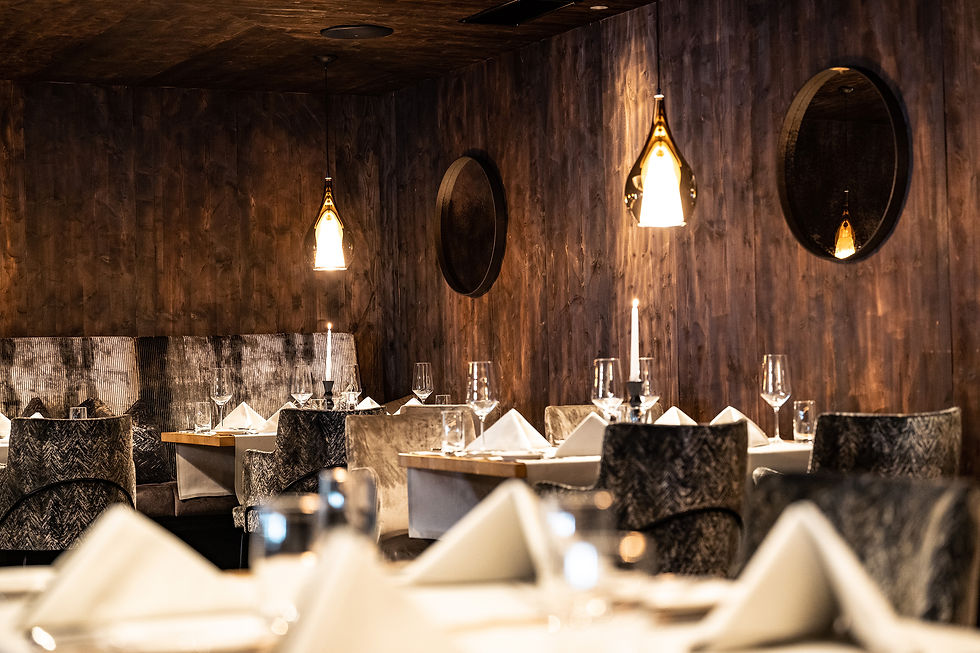
Lunch in Italy is one of the main reasons people love the crossing. Our guide to the best restaurants in Zermatt also includes favourites on the Cervinia side, including Chalet Etoile, Bontadini and Foyer des Guides.
A long Italian lunch beneath the Matterhorn can easily become one of the best moments of the holiday.
Just keep an eye on the time.
A leisurely lunch works when you arrive early and have already checked the return route. It works less well when the group reaches the restaurant late, orders another bottle of wine and only afterwards starts wondering when the lifts close.
Top tip: Book lunch in advance during busy weeks and choose a time that leaves a comfortable return window.
Do You Need a Ski Guide to Go From Zermatt to Cervinia?
Not necessarily.
A confident skier who knows how to navigate large ski areas, checks live lift information and has suitable weather can complete the marked cross-border journey independently.
But this is also one of those days where a guide can add considerably more than technical instruction.
With Zermatt ski resort guiding, a local guide can choose the best route for your group, monitor conditions, manage the timing and build the day around the skiing and lunch rather than having everyone constantly checking a piste map.
Our team at the Mountain Company has a full-day Ski to Italy experience from Zermatt, combining the Cervinia pistes with an Italian mountain lunch.
A guide makes particular sense if:
It is your first time skiing in Zermatt.
Your group has different ability levels.
You are unsure about navigating the international lift network.
The weather forecast is changeable.
You want to spend more time skiing and less time studying maps.
You want someone to organise the route around a particular lunch reservation.
It is less about needing someone to physically get you down the pistes and more about having someone manage the day.
What Should You Take With You?
Treat the crossing as a full mountain day.
Bring suitable layers for high-altitude temperatures, even if Zermatt village feels relatively mild in the morning. Goggles with an appropriate lens for changing visibility are also useful.
Carry water and a small snack. Lunch may be the highlight, but you do not want energy levels dropping before you reach it.
Keep your phone charged so you can access live lift information if required.
And before the holiday begins, make sure your travel and winter-sports insurance covers the skiing you plan to do. We can also help with wider travel planning for Zermatt, particularly if you want the logistics organised before arrival.


